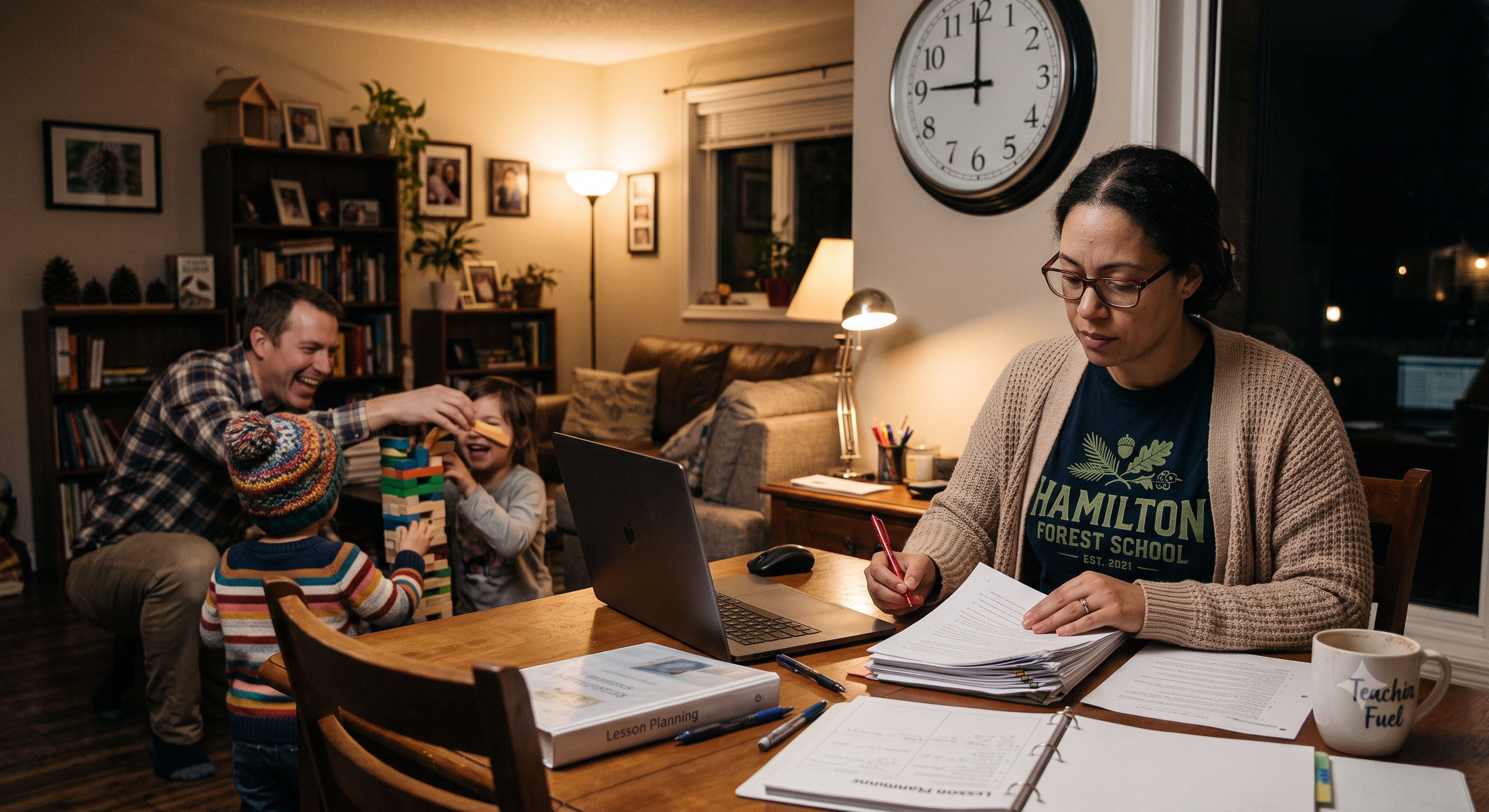
Your teachers' judgment was never what slowed this down. The time to write it up was.
Grove gives that time back — and puts their name on the work they were already doing.
A day with Grove
Documentation that fits a teaching day, not the other way around.
Teachers should never trade presence with children for paperwork. Here's what that looks like in practice.
Review · Ms. PriyaEdited
The dam held. Sami tested every rock first.
Scientific thinking ✓Fine motor
Approve & shareDiscard
12:30 pm · lunch
Read it back, approve it
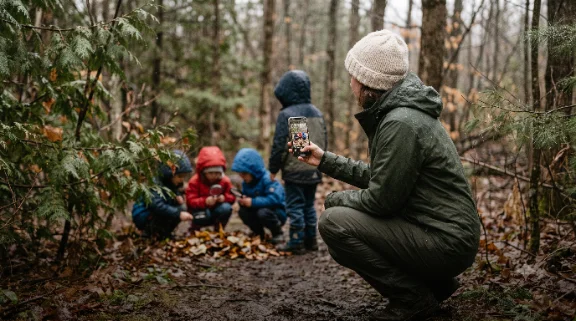
Back in signal, the morning syncs. What she said at the creek is waiting as a written observation. She fixes three words and approves.
End of month & term
The record builds itself
Observations roll into monthly digests and an end-of-term record with curriculum connections. It assembles as the term goes, so there is no year-end scramble.
42 field notes · evidence, never scores
The job nobody sees
Your best educators are working unpaid hours on the part nobody sees.
You hired people who can read a child's courage at the top of a climbing tree. Then the school day ends — and they sit alone, turning it all into typed paragraphs for the feed, the worried parent, the file. Grove was built to end that second shift.
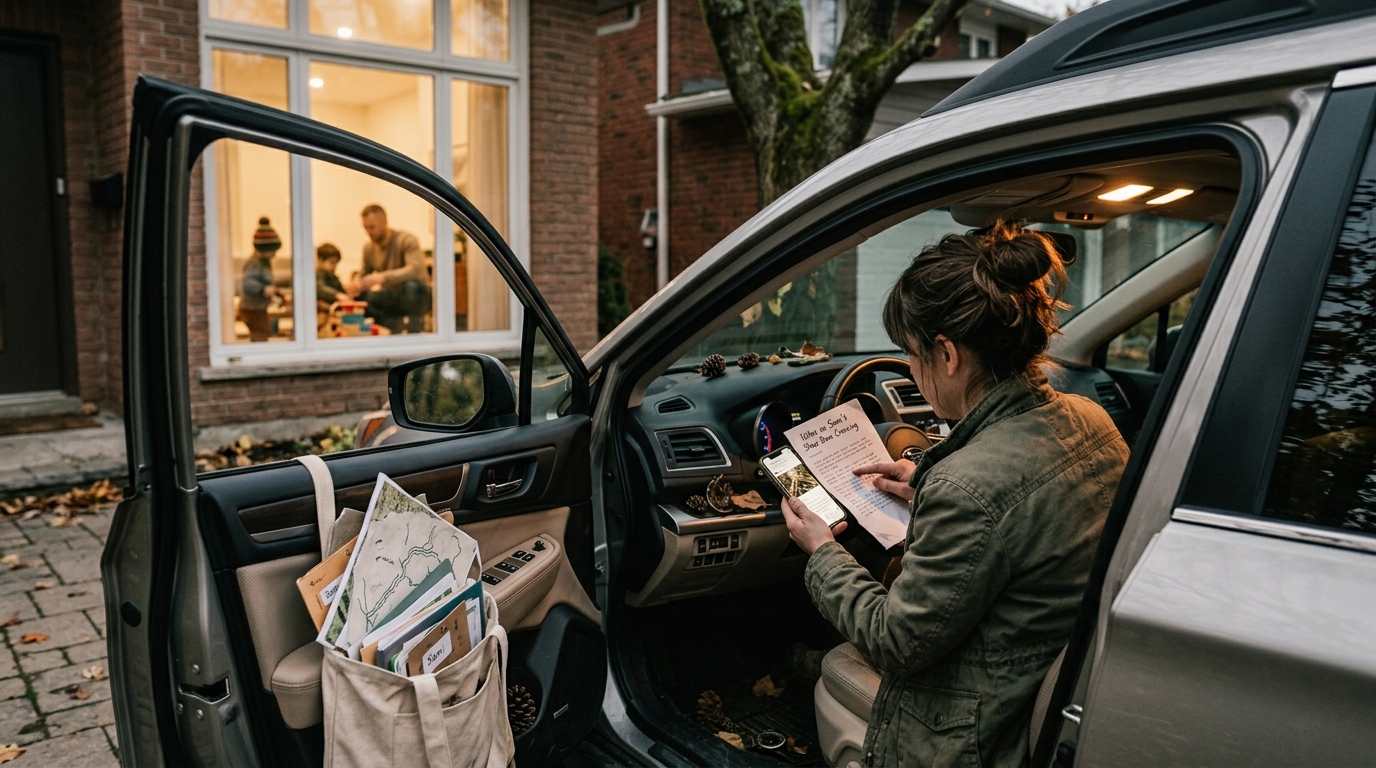
“I do the write-ups in the driveway, because once I walk inside I'm mom, not teacher. My family gets whatever energy is left.”
Presence
The field is the office
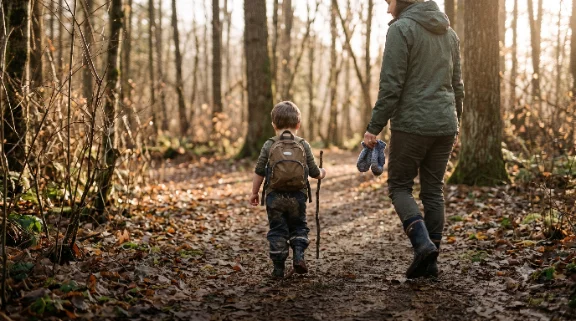
Thirty seconds, gloves half on: snap, speak, tag, pocket. It works with zero signal and syncs when the school reconnects. Documenting stops competing with watching children — which is the actual job.
Credit
The work carries your name
Every judgment call becomes a written observation you approved, on the record. Digests and the term record assemble from work already done — visible to parents, to admin, and to you.
Boundaries
Evenings are yours again
No personal numbers, ever. Families reach you in-app, inside visible response-time expectations. When you walk through your own front door, the school day is actually over.
Your school, in one place
You're running your school on seven different apps.
WhatsApp for parent messages. Email for the newsletter. A spreadsheet for attendance. A personal phone number that parents text at 9 pm. Grove replaces all of it.
What actually changes
The work was always real. The proof was always missing.
For educators
For administrators
The work was always real. Grove doesn't create the learning or the judgment. It makes what was already happening visible.
The proof was always missing. Not because nothing happened — because nothing survived the day to be shown to anyone.
The cost was always paid by someone. Teachers paid it in evenings. Admins paid it in risk. Grove moves it onto a tool built to carry it.
About the AI
Thirty seconds in the field. A finished record by dinner.
Your teachers already know what they saw. That was never the problem — the problem was finding the energy to write it well, alone, after a full day outside. Grove's AI takes exactly that piece and nothing else: the teacher says what happened, and a written observation is waiting for her approval.
What's left is the part that was always hers: deciding what mattered, and standing behind it. The full plain-language explanation →
What she said · 9:04 am, at the creek
“Sami kept rebuilding the dam, tested every rock before placing it, and got Theo to hold the big one.”
Drafted by Grove · approved by her
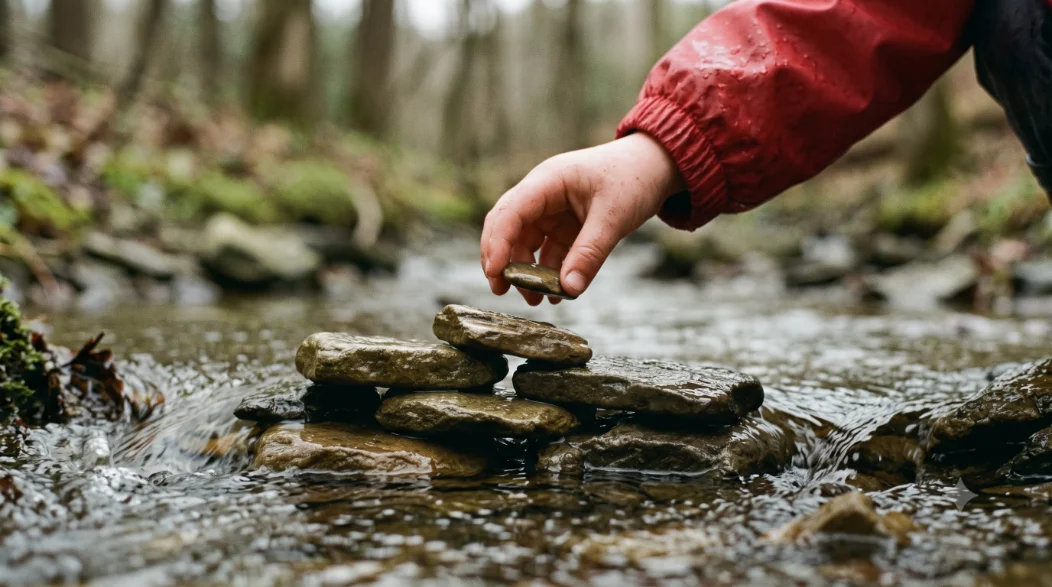
Twenty seconds of speaking became the evening's write-up — in her words, under her name.
She approves every word
Nothing reaches a family without a teacher reading, editing, and signing off. The AI has no publish button.
Photos stay inside your school
No child's photo is ever sent to an outside AI service. The work happens inside your school's own boundary.
Nothing trains on your children
Your photos, voice notes, and observations never teach a model. Not Grove's, not anyone's.
It invents nothing
Drafts come only from what the teacher captured: the voice note, the photo, the tags. Never a detail it didn't hear.
Common questions
For teachers and directors.
What it asks of staff, where the data lives, and what it replaces.
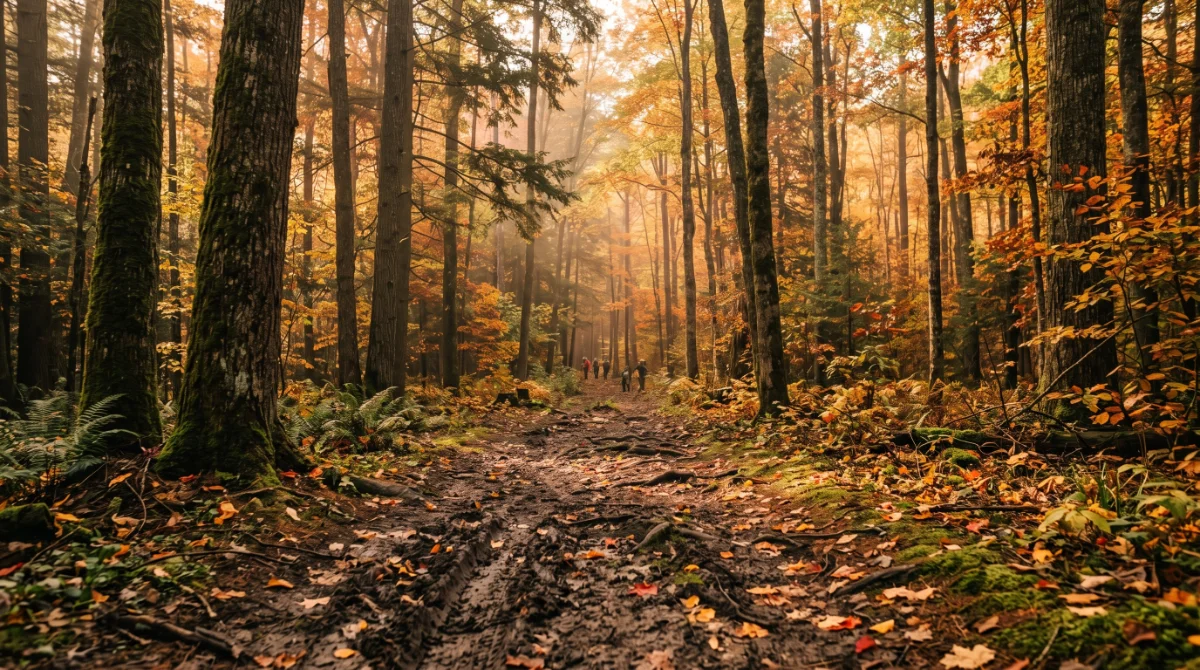
Ready to grow with us?
Grove launches with a select group of pilot schools across Canada. Pilot schools get hands-on onboarding and a direct line to the founder; what we ask for in return is honest feedback. Pricing will be announced in spring 2027.
Book a demoA 30-minute walkthrough with the founder · no commitment
Already teaching with Grove?
Sign in with the account your school set up.